The Guide To Fascia And Soffits Replacement Near Me In 2024


Soffit and Fascia Replacement Near Me
Soffits are vital to the health of your home. They can help keep away mold, rot, and pests, and also allow airflow to your attic. They also give your roofline a finished look.
A soffit or fascia is damaged should be repaired immediately. Look for signs of discoloration or gnaw marks.
Deteriorated or damaged
The appearance and performance of your home's fascia is crucial, regardless of whether it's made from aluminum, wood or vinyl. They give a polished appearance to roof overhangs, draw air and moisture out of the attic, and help safeguard the roofing and trim made of wood below it from weather damage. However, over time they can be damaged or worn out, causing problems with your home's roof.
A damaged or deteriorated soffit or fascias can cause a variety of problems, such as the growth of mold and water infiltration. The damage to your roof could also compromise the structural strength of your home. Pests and rodents can also get into the attic, where they could cause damage or even nests.
There are a variety of professionals who can do repairs to fascias and soffits, including gutter specialists, roofers, and carpenters. Ask about their work history and experience when you are looking for a reputable. It is crucial to select a professional who is licensed, skilled and reliable. This will ensure that the soffit, fascia, and gutters are put in place and repaired correctly.
Fascias and soffits require homeowners work on a ladder or roof. The work can be difficult, and working from a ladder is very risky. The majority of homeowners do not have the necessary tools or the necessary knowledge to accomplish these tasks. Engaging a professional will ensure that the work is done right and that your fascia and soffit can stand up to the elements for decades to be.
Cracks, gaps and discoloration are all indications that your fascia and soffit need to be fixed. It is recommended to check them regularly for any of these issues, as well as for insect and rot infestations. Inspection of your fascia and soffit is easy since it is often visible from a distance. You can also check for gnaw marks, droppings, and nesting materials, which are indicators of rodent and pest activity. If you spot any of these signs contact an expert to arrange repairs to the fascia and soffit immediately.
Infestations
Soffits and fascia guard your roof from water damage. Soffits are situated on the underside of an overhang. They help to vent the attic and draw moisture away from your home and discourage pests. Like other components of a roofing system they are not immune to wear and tear, or environmental issues. They're also susceptible to insect infestations, and if you spot any obvious signs of infestation, it's important to have your fascia and soffit repaired as soon as is possible.
The primary function of fascias is to shield the edge of your roof from the elements and direct rainwater down and away from your eaves and foundation. It also assists in supporting gutters and is the anchor point for various elements like downspouts. It's also common for wood fascias to suffer from water damage if gaps or cracks are not treated, however a professional can seal these holes to prevent water from leaking in and causing damage to the structure.
Infestations of fascia and soffits are typically caused by poor maintenance, but can be caused by rodent or animal activity, weather exposure, or physical damage. Raccoons, squirrels, and birds are likely to build nests in these structures if they are damp or rotting. Infestations can also be an outcome of improper cleaning, like using pressure washers too close to the roof's edges.
It's time to contact a professional when your fascia is plagued by mold. The toxic effects of mold can be detrimental to human health, and can cause respiratory and cardiovascular problems in the event that it isn't removed completely. A professional can safely eliminate and treat the mold so that it doesn't recur and cause more destruction on your roof and the interior.
The stains on your fascia that are caused by water are another sign that it's time to arrange an inspection. The problem is usually caused by an attic that is not vented, which allows moist air to flow in. If cool air in the attic is unable to escape, it can settle in the eaves and cause mold and moisture issues or even a roof leak. A roofing contractor with years of experience can assist you in determining whether this is the case.
Asbestos
While the soffits and boards for your fascia may seem like mere architectural elements that give your roof structure a sleek and polished appearance but these essential home elements can do more than enhance your property's aesthetic. These essential components of your roofline are essential for keeping your home comfortable and dry. They also help to prevent severe damp and mould damage.
However, if your home's roofline is old, it could contain asbestos, a deadly carcinogen that was used in a variety of homes and building materials until the late 1980s. It is crucial to have your fascia and soffit boards tested by a professional before you begin any roofline work. This is because asbestos only becomes dangerous when cut or ripped, and the tiny fibres that can be inhaled escape into the air.
If you're worried that the soffits or the fascia on your roof are made of asbestos, it may be a good idea to install a temporary scaffolding in order to ensure the safety of those working on your roof. It is legally required to ensure that any workers working on your roof have the required degree of safety-related expertise and training.
Asbestos cement soffit boards are usually difficult to identify since they're painted to match the rest of your property. If you see signs of rust or wear on the surface or that the wood has sagged or has begun to decay, your soffit may be made from asbestos cement.
PVC can be used to cover any minor flaws or cracks, asbestos-laced fascias pose higher risk. A single airborne fibre can cause serious illness, such as mesothelioma – an uncommon cancer that affects your chest cavity and lining of the lung. This is why it's crucial to have asbestos-laced soffits and fascia checked and removed by a trained professional before you replace your roofline. hounslow Fascia and Soffit Replacement is a complicated task that requires extensive testing and decontamination, so it's best left to experts. It's important to note that asbestos can pose dangerous to health even when it's in good condition, so it's essential to have any damaged or old trim checked and removed also.
Water Damage
A soffit or fascia is a barrier to protect the structure and directs rainwater away from the foundation and roofline. It also supports gutter installations and serves as anchor points for other elements such as downspouts. It protects against water damage by absorbing moisture that could otherwise cause structural problems in a home. It also helps to control the humidity levels and keep warm buildings by sealing the attic.
However, the fascia may be damaged due to a variety of causes like rotting and mold. wood. You can spot these issues by looking for dark patches discoloration, a crumbly texture on the surface of the soffit. The problem will only get worse with time, so it is important to get them checked and repaired immediately if you notice a need to.
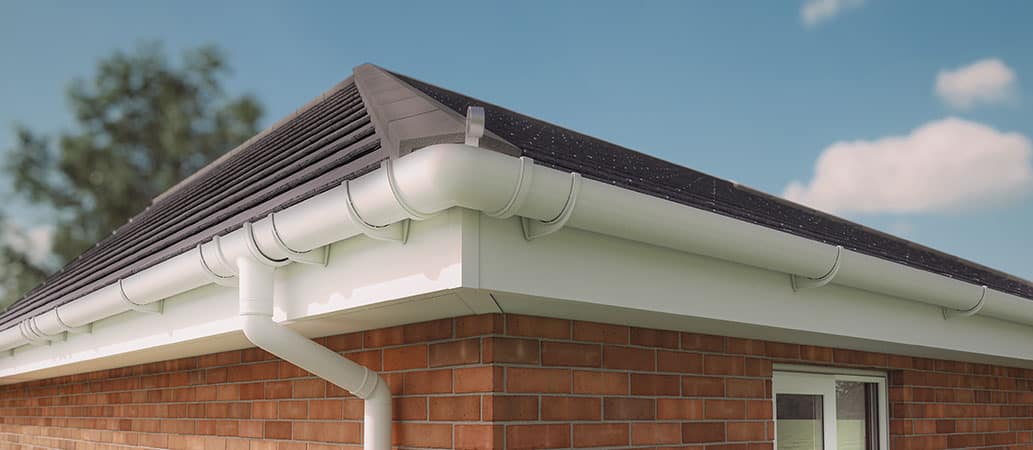
Cracks or dents are also indicators of a deteriorating fascia. They can be fixed by a professional or require replacing completely. Pest infestations can be caused by damaged fascias or soffits. Rodents, squirrels and birds are attracted to holes in the soffits or fascia of a home. Once inside, they may chew through insulation and wiring, as well as release excrement that can pose health risks to the people who live there.
The condition of the soffit as well as the fascia will ultimately have a major impact on the structure and value of a home. If your soffit or the fascia is susceptible to water damage, you may be prone to rotting, mildew and insects, as well in other serious problems.
A soffit or a fascia could be constructed from aluminum, vinyl, wood or any other material. The type of material will determine the length of time that boards last and the cost to replace or repair them. Wood fascia boards are usually the most affordable, but they require regular maintenance to ensure they look good. Aluminum, vinyl and composite soffits tend to be more durable than wood and are less prone to weathering. These options can be more expensive than the conventional wooden option.